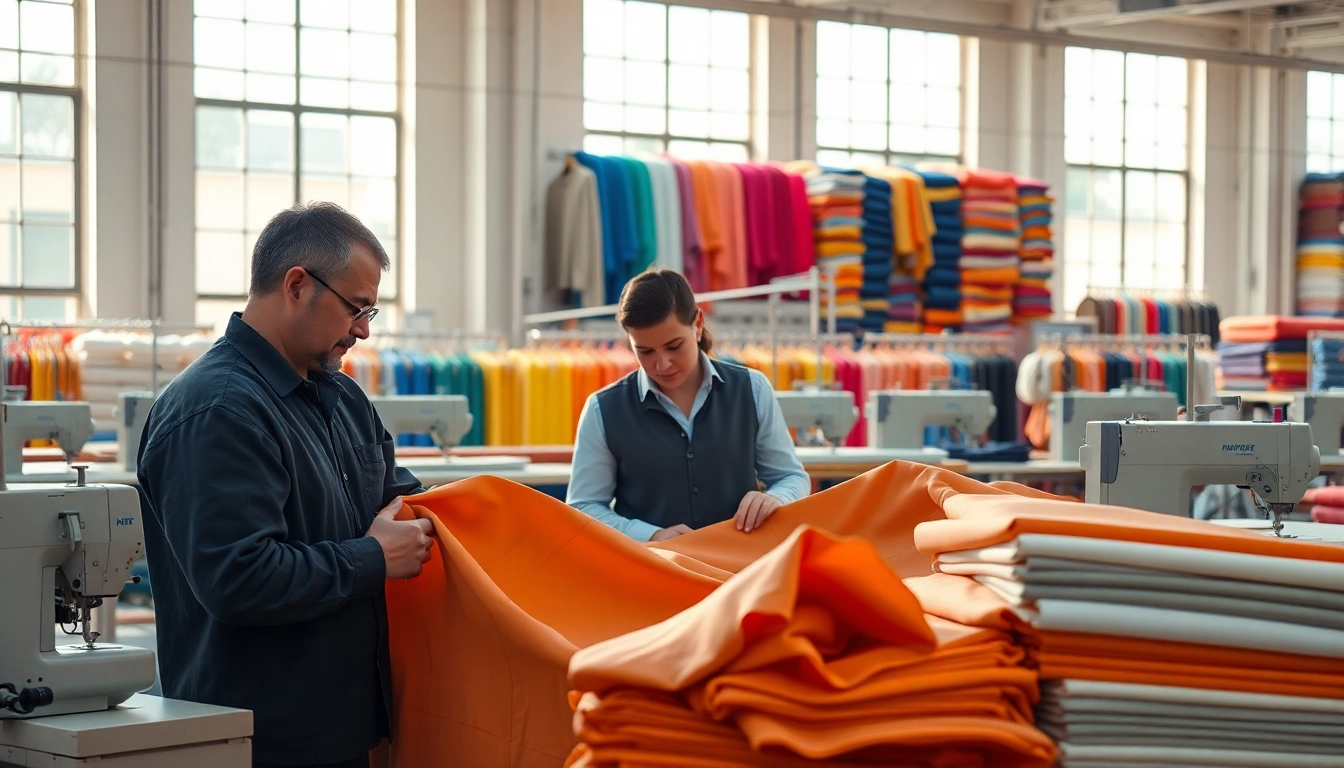
Understanding Clothing Suppliers China
Sourcing clothing from international markets can be a daunting task, especially when it involves navigating the complexities of import regulations, language barriers, and cultural differences. However, utilizing Clothing Suppliers China offers businesses an efficient pathway to procure high-quality apparel at competitive prices. Understanding the nuances of these suppliers is essential for successful collaboration and maximizing profit margins.
What to Look for in Clothing Suppliers China
When selecting a clothing supplier in China, several key factors should be evaluated:
- Reliability: Consider suppliers with a proven track record and positive client testimonials.
- Quality assurance: Look for manufacturers who maintain high standards in fabric selection and production processes.
- Capacity for customization: If your brand requires unique designs, choose suppliers that offer excellent flexibility.
- Compliance: Ensure that suppliers adhere to international labor laws and environmental regulations.
- Pricing: Acquaint yourself with the pricing structure and evaluate costs against market standards to identify value for money.
Types of Clothing Suppliers China
China offers a diverse range of clothing suppliers catering to different market segments. Some of the main types include:
- Manufacturers: These are companies that produce clothing items based on specifications provided by clients.
- Trading companies: These act as intermediaries, sourcing products from various manufacturers and handling the logistics of shipping.
- Wholesale suppliers: They sell bulk quantities of clothing typically at discounted rates, suitable for resellers.
- Private label suppliers: These allow brands to place their labels on existing clothing, facilitating quicker market entry.
The Benefits of Sourcing from Clothing Suppliers China
Engaging with clothing suppliers in China comes with multiple advantages:
- Cost-Effectiveness: Manufacturing costs in China tend to be lower, translating into significant savings for businesses.
- Established Infrastructure: China boasts a well-developed supply chain network, which can expedite production and delivery times.
- Wide Range of Options: The vast array of fabrics and styles enables brands to explore unique offerings.
- Economies of Scale: Suppliers often accommodate large orders, enabling bulk purchasing at reduced costs.
Evaluating Manufacturer Credibility
It’s crucial to assess the credibility of potential clothing suppliers before forming a business relationship.
Key Indicators of Reliable Clothing Suppliers China
When evaluating suppliers, several indicators can reveal their reliability:
- Industry Experience: Suppliers with years of experience typically have established procedures and standards.
- Certifications: Look for quality certifications like ISO 9001, which signify adherence to quality management systems.
- Client References: Ask for and verify references from past clients to gain insights into the supplier’s reputation.
- Factory Visits: If feasible, visiting the manufacturing facility can provide first-hand insights into operations.
How to Verify Supplier Credentials
Verification of supplier credentials is essential to establish trust:
- Online Research: Use platforms like Alibaba or Global Sources to check supplier ratings and reviews.
- Third-party Audits: Utilize third-party inspection and auditing services to verify operations and compliance.
- Documentation Requests: Request necessary documents such as business licenses, product certifications, and financial statements.
Building Trust with Suppliers
Establishing a trusting relationship with suppliers can make collaboration seamless:
- Open Communication: Maintain transparent and consistent communication regarding expectations and issues.
- Long-term Relationship Focus: Engage with suppliers for the long haul, fostering loyalty and stability.
- Mutual Respect: Treat suppliers as partners, recognizing their expertise and value in your supply chain.
Navigating Communication with Suppliers
Effective communication is a cornerstone of successful supplier relationships, particularly in an international context.
Establishing Clear Lines of Communication
Defining how and when communication occurs helps prevent misunderstandings:
- Preferred Channels: Decide on the best communication channels (email, video calls, messaging apps) based on convenience.
- Schedules: Establish regular check-ins to discuss progress and address any emerging issues.
- Documentation: Keep thorough records of all communications to refer back to decisions made.
Overcoming Language Barriers
Language differences can complicate communication, but they can be managed effectively:
- Professional Translation Services: Hiring translators can facilitate clear communication.
- Simple Language: Use straightforward language and avoid jargon to prevent confusion.
- Visual Aids: Utilize images and diagrams to convey ideas more clearly.
Effective Collaboration Techniques
To maximize the productivity of collaborative efforts:
- Joint Problem Solving: Approach challenges together, fostering a sense of partnership.
- Feedback Loops: Provide constructive feedback to help suppliers improve their processes.
- Shared Goals: Align on objectives that benefit both parties, enhancing cooperative efforts.
Quality Control Practices
Quality control is paramount when sourcing clothing internationally, ensuring that products meet your standards.
Implementing Quality Assurance Checks
Establish a robust quality assurance plan that outlines specific checks throughout the production process:
- Raw Material Inspection: Verify the quality of fabrics and other materials before production begins.
- In-Process Inspections: Conduct checks at various stages to ensure consistent quality.
- Final Inspections: Thoroughly examine finished products before shipment to catch any defects.
Importance of Sample Production
Requesting samples can mitigate risks associated with quality:
- Prototype Review: Analyze sample products to assess quality, fit, and craftsmanship.
- Production Adjustments: Use feedback from samples to make necessary adjustments before full-scale production.
Monitoring Production Quality
Ongoing monitoring during production helps maintain quality standards:
- Quality Control Teams: Establish dedicated teams responsible for quality checks throughout the manufacturing process.
- Continuous Improvement: Implement a culture of continuous improvement, encouraging suppliers to adopt better practices.
Logistics and Import Considerations
Understanding the logistics involved in importing clothing is critical for smooth operations.
Understanding Shipping and Customs
Familiarity with shipping procedures and customs regulations is essential:
- Customs Duties: Learn about applicable tariffs and duties that may impact the total cost of importing.
- Documentation: Ensure you have all required documents for customs clearance, such as bills of lading and commercial invoices.
Choosing the Right Shipping Methods
Selecting appropriate shipping methods can affect delivery times and costs:
- Air Freight: Offers rapid delivery for urgent orders but is more expensive.
- Sea Freight: A cost-effective option for larger shipments, but slower.
- Express Couriers: Ideal for small, urgent shipments requiring fast delivery.
Cost Management in International Shipping
Managing costs effectively can maximize profitability:
- Consolidation: Combine multiple shipments to reduce overall shipping costs.
- Negotiate Rates: Build relationships with shipping companies to attain better rates over time.
- Monitor Exchange Rates: Keep an eye on currency fluctuations that may impact pricing.
Frequently Asked Questions
1. What are the typical lead times from Clothing Suppliers China?
Lead times can vary, generally ranging from 30 to 90 days depending on order size and complexity.
2. How do I protect my intellectual property when working with suppliers in China?
It’s crucial to use non-disclosure agreements (NDAs) and file for trademarks before sharing designs.
3. What payment methods are safest when dealing with Chinese suppliers?
Common safe payment methods include PayPal, Alibaba Trade Assurance, and wire transfers via reputable banks.
4. Can I conduct audits on my suppliers in China?
Yes, conducting audits is advisable to ensure compliance and quality assurance throughout the supply chain.
5. How can I address quality issues with my suppliers?
Communicate concerns clearly, provide evidence of defects, and work collaboratively on solutions to rectify issues.