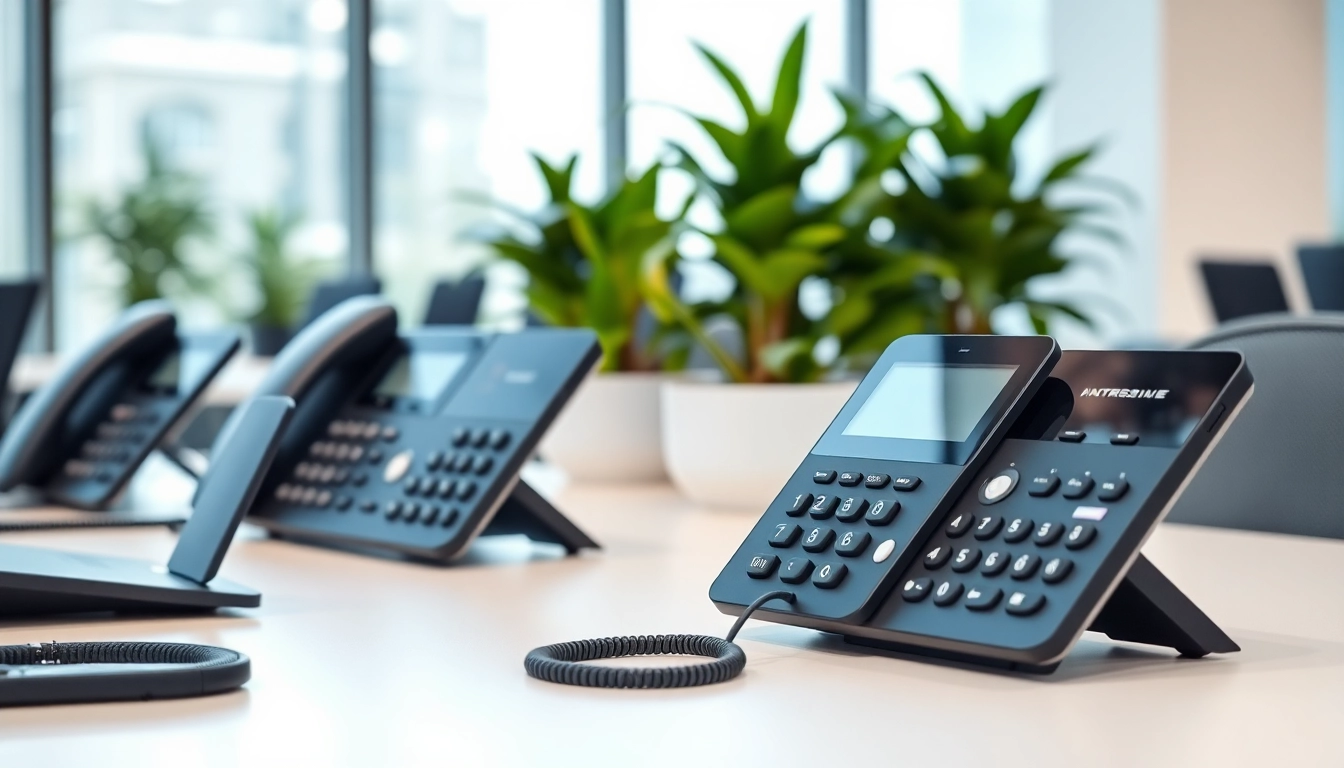
Understanding Office Phone Systems
In the modern business environment, effective communication is the cornerstone of success. An integral part of this communication framework is the office phone systems that facilitate seamless interactions among team members, clients, and partners. This comprehensive guide will delve into the various types of office phone systems, their features, benefits, and how to select the right system tailored to your business’s unique needs.
Types of Office Phone Systems
Office phone systems come in several types, each with its distinct advantages and functionalities. Understanding these types can help businesses choose the most suitable solution:
- VoIP (Voice over Internet Protocol): VoIP systems convert voice calls into data packets and transmit them over the internet. This technology is cost-effective and offers a wide range of features.
- Traditional Landlines: Though increasingly rare, traditional landlines are reliable systems that connect phones using copper wires. They can be more expensive in the long run due to maintenance and long-distance call charges.
- Cloud-Based Systems: These systems use internet-based platforms for call management and routing. They provide scalability and flexibility, ideal for companies that have remote employees.
- Hybrid Phone Systems: Combining the best of both worlds, hybrid systems utilize both traditional and VoIP technologies. This offers businesses flexibility in their communication strategy.
Key Features of Office Phone Systems
An effective office phone system should offer various features that enhance productivity and collaboration. Here are some essential features:
- Call Forwarding: Ensures calls are directed to available staff, reducing missed opportunities.
- Voicemail to Email: Converts voicemail messages into audio files sent to email, ensuring messages are easily accessible.
- Conference Calling: Allows multiple participants to join a call, facilitating team meetings from different locations.
- Call Analytics: Provides data and insights regarding call metrics, helping businesses make informed decisions.
- Auto Attendant: Streamlines call management by directing callers to the appropriate department without human intervention.
Benefits of Modern Office Phone Systems
Investing in a modern office phone system brings numerous advantages:
- Cost Efficiency: VoIP systems tend to lower communication costs significantly due to reduced long-distance charges.
- Scalability: Cloud-based systems can easily be adjusted to accommodate business growth by adding or removing lines and features as needed.
- Improved Collaboration: Many modern systems include integration with collaboration tools, simplifying team communication.
- Mobility: Employees can access phone services from their smartphones or laptops, allowing remote work without losing communication capabilities.
- Enhanced Customer Experience: Features like call analytics and auto attendants help manage customer interactions more effectively.
Evaluating Your Business Needs
Before selecting an office phone system, it’s crucial to assess your business’s specific requirements. Here’s how to effectively evaluate your needs:
Assessing Team Size and Communication Demands
The size of your team and the nature of your communication flow are key determinants in choosing the right system. Evaluate how many employees need access to phone services and whether your business relies heavily on conference calls or one-on-one communications. Understanding this can enhance efficiency and reduce unnecessary costs.
Budgeting for Office Phone Systems
Clearly define your budget for the phone system, considering both initial setup costs and ongoing monthly fees. Different systems have varying pricing structures, so be sure to account for installation costs, equipment, and possible future expansions.
Identifying Essential Features
Once you understand your budget and communication needs, list out essential features. Prioritize what’s fundamentally important versus what would be nice to have. This evaluation helps in narrowing down options to systems that effectively meet your business needs without overspending.
Comparing Office Phone Solutions
Choosing the right office phone system can be overwhelming given the variety of options available. Here’s how to make a comparison:
VoIP vs. Traditional Phone Systems
The choice between VoIP and traditional phone systems often boils down to cost and features. VoIP systems are typically more flexible and cost-efficient. Traditional systems, while reliable, may incur higher long-term costs and limited scalability opportunities. Analyze your business model carefully to select the most suitable option.
Analyzing Costs and Pricing Plans
When comparing plans, look beyond monthly fees. Consider installation costs, hardware expenses, and additional charges for extra features. Examine various providers’ offerings to find a plan that maximizes value for your budget.
Customer Support and Service Reliability
The quality of customer support and the reliability of the service are crucial factors in your choice. Opt for providers known for responsive support and consistent uptime records, as issues will undoubtedly arise, and having prompt support can save your business valuable time and resources.
Implementing Office Phone Systems
Once a decision is made, the implementation process is vital for ensuring the new system integrates smoothly into your business operations. Here’s how to do it effectively:
Planning the Installation Process
A comprehensive plan detailing installation steps, timelines, and responsibilities is essential. Ensure that your IT team or the provider’s technicians outline the process clearly, minimizing disruption during transitions.
Training Employees on New Systems
Effective training is crucial to foster adoption of the new system. Conduct training sessions that cover basic functionalities and more advanced features to help employees maximize the tool’s potential. Use a mix of in-person and digital resources for flexibility.
Setting Up Remote Accessibility
In today’s hybrid work environment, the ability to access phone systems remotely is paramount. Ensure that employees can utilize the system from various devices without compromising security or functionality.
Future-Proofing Your Office Phone Systems
The technological landscape is constantly changing, and businesses must evolve accordingly. Future-proofing your office phone systems involves integrating new tools and adapting to technological trends:
Integrating with Collaboration Tools
Today’s workforce relies on various collaboration tools for streamlining communication. Ensure your office phone system integrates effortlessly with popular collaboration software, enhancing productivity and teamwork.
Monitoring Performance and Usage
Regularly evaluate your phone system’s performance through data analytics. Monitoring user engagement and operational metrics can help identify areas for improvement, ensuring your system continues to meet your evolving needs.
Adapting to Emerging Technologies
Be on the lookout for emerging technologies such as AI-driven communication tools and advanced data analytics. These tools can significantly enhance your office phone system’s capabilities, providing a competitive edge in your industry.
FAQs about Office Phone Systems
What is the best office phone system?
The best office phone system depends on your specific needs. VoIP solutions are popular due to their flexibility and cost-effectiveness, while traditional systems may suit companies in need of reliable service without internet dependency.
How many lines do I need for my office phone system?
The number of lines needed depends on your team size and call volume. Typically, one line per employee is advisable, with additional lines for varying usage patterns.
Can I integrate my phone system with other software?
Many modern office phone systems offer integration with CRM systems, email platforms, and collaboration tools, enhancing business operations and improving efficiency.
What are the costs associated with office phone systems?
Costs can vary widely based on the type of system, number of users, and features selected. Be prepared for installation fees, monthly service charges, and potential hardware costs.
How do I ensure my office phone system is secure?
To enhance security, utilize encrypted communication protocols, train employees on privacy best practices, and regularly update your software to protect against vulnerabilities.
Contact Information
Customer Service Email: [email protected]
Mobile Sales Email: [email protected]
Support Email: [email protected]
Call us: 0333 015 2615
Head Office: Fareham Innovation Centre, Merlin House, 4 Meteor Way, Fareham, Lee-on-the-Solent, PO13 9FU.
London Address: 124 City Road, London, EC1V 2NX
Manchester Address: Bartle House, Oxford Court, Manchester, M2 3WQ