Understanding Close Protection Hong Kong Services
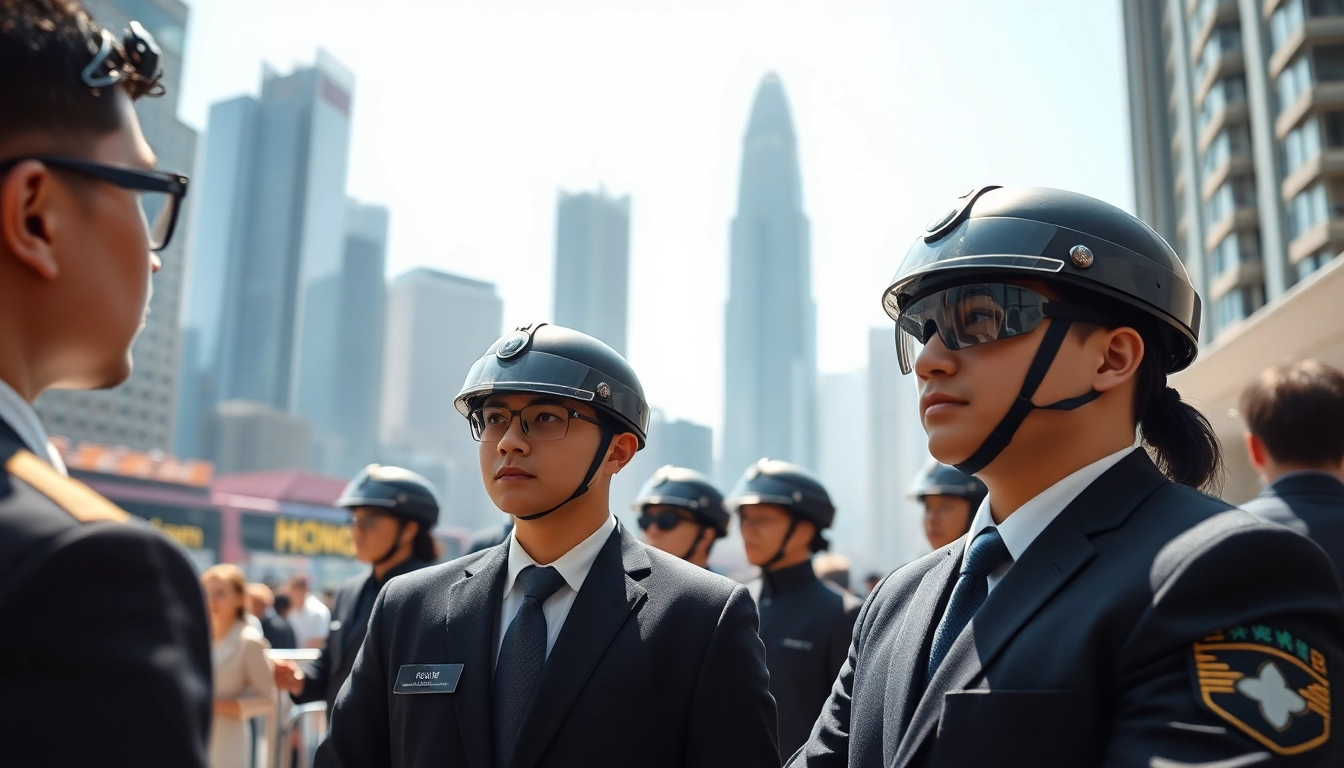
In today’s rapidly changing world, safety and security have become paramount concerns for individuals and organizations alike. Close protection services are designed to mitigate risks and ensure the safety of clients in various environments. In Hong Kong, a bustling metropolis known for its vibrant culture but also its unique security challenges, specialized Close protection Hong Kong services have emerged as a vital resource for those seeking to safeguard themselves, their families, or their assets.
What is Close Protection?
Close protection refers to a service provided by trained professionals who ensure the safety of an individual or group. These professionals, commonly known as bodyguards or security agents, operate under strict protocols to protect against potential threats ranging from physical harm to unwanted attention. Close protection may involve a variety of techniques and tactics, including risk assessments, threat analyses, and tailored safety strategies aimed at the unique needs of the client.
Why is Close Protection Important in Hong Kong?
Hong Kong presents its own set of security challenges due to its dense population and high-profile events. The city has seen its share of political demonstrations, crime, and other events that may pose risks to individuals and organizations alike. This makes the need for reliable close protection services increasingly important. Whether for a high-profile executive traveling for business, family members attending public events, or individuals facing personal threats, close protection provides an essential layer of security to navigate these complexities safely.
Key Features of Close Protection Services
Close protection services include several key features aimed at offering comprehensive safety solutions:
- Risk Assessment: Evaluating potential threats and vulnerabilities based on the client’s profile and environment.
- Personal Security Details: Deploying trained professionals to accompany the client, ensuring 24/7 vigilance.
- Travel Logistics: Coordinating safe transport, including vehicle selection and route planning to avoid potential hazards.
- Emergency Response Planning: Developing contingency plans for various scenarios, such as natural disasters or medical emergencies.
- Discreet Surveillance: While providing protection, ensuring minimal disruption to the client’s routine and a low-profile presence.
Choosing the Right Close Protection Hong Kong Provider
Selecting a close protection service provider is crucial to ensuring the personal safety of clients. The right provider will have the necessary qualifications, experience, and reputation to deliver effective security solutions.
Assessing Experience and Qualifications
When choosing a close protection provider, assessing their qualifications and experience is vital. Look for providers with a solid background in security and law enforcement. Many close protection professionals have military or police training, which equips them with the skills needed to react adeptly to diverse threats. Certifications from recognized security institutions can also signify a commitment to best practices in the field.
Evaluating Insurance and Liability Coverage
Another critical factor is insurance and liability coverage. A reputable close protection provider should carry comprehensive liability insurance that protects both the client and the company from any inadvertent incidents that may arise during the engagement. Ensure to inquire about their policy details and what liabilities are covered, which will provide peace of mind when employing their services.
Client Testimonials and Reputation
Researching client testimonials and the provider’s reputation in the industry is equally important. Look for reviews and feedback from previous clients to gauge their satisfaction levels. A well-regarded service provider will have positive testimonials demonstrating their effectiveness and reliability in various situations, which is a strong indicator of the quality of service they offer.
The Process of Close Protection in Hong Kong
Understanding the process of close protection is essential for potential clients. From the initial consultation through to the execution of protection strategies, each step is meticulously planned and tailored to the client’s needs.
Pre-Assessment and Risk Analysis
The process begins with a comprehensive pre-assessment and risk analysis. During this phase, security professionals gather information about the client’s daily routines, places they frequent, and specific threats they may face. This vital information forms the basis for developing a personalized security plan that addresses potential vulnerabilities.
Planning the Protection Strategy
Once the assessment is completed, a detailed protection strategy is devised. This plan includes logistics for safe travel, protocols for public appearances, and emergency response procedures. Cooperation with local authorities and emergency services may also be established during this stage to ensure all bases are covered for client safety.
Execution and Monitoring of Protection
The execution phase involves the deployment of the close protection team, who will monitor the client’s environment and assess risks continuously. This phase requires adaptability and vigilance, as changes in circumstances may necessitate modifications to the protection approach. Regular debriefs are conducted to evaluate the effectiveness of security measures and ensure the client remains safe.
Common Myths About Close Protection Hong Kong
Despite the growing demand for close protection services, several misconceptions persist. Understanding these myths can provide clarity and help potential clients make informed decisions.
Myth: Only Celebrities Need Close Protection
Many people assume that close protection is exclusively necessary for celebrities or public figures. However, individuals in various professions or with unique circumstances, including business executives, government officials, and even average citizens facing specific threats, may greatly benefit from these services.
Myth: Close Protection is Only for Events
Some believe that close protection is only relevant for high-profile events. In truth, close protection services offer ongoing support that is vital for individuals in their everyday lives. Whether commuting to work, attending family engagements, or traveling, the need for security can extend beyond organized events.
Myth: Protection is Always Visible
Many assume that close protection agents need to be highly visible to be effective. In reality, many protection strategies focus on maintaining a low profile. Discreet protection can diffuse potential threats without causing alarm or drawing unnecessary attention to the client.
FAQs About Close Protection Hong Kong Services
What factors affect the cost of Close Protection in Hong Kong?
Cost factors include the level of risk associated with the client, number of agents needed, duration of service, and specific requirements, such as transportation or special security equipment.
Can Close Protection teams adapt to changing situations?
Yes, trained close protection teams are adept at assessing dynamic situations and can quickly adjust their strategies to address emerging threats or changes in the environment.
What types of situations require Close Protection?
Situations can vary widely, from high-profile travel and corporate events to personal safety concerns, harassment, or threats from specific individuals. Close protection can be tailored to various scenarios.
Are Close Protection agents armed?
Whether close protection agents are armed depends on the specific service agreement and local laws. Some teams may carry firearms, while others rely on unarmed techniques and risk prevention strategies.
How can one verify the credentials of a Close Protection provider?
Clients can verify credentials by requesting proof of training, certifications from recognized security organizations, client references, and checking online reviews to ensure the provider’s reputation.